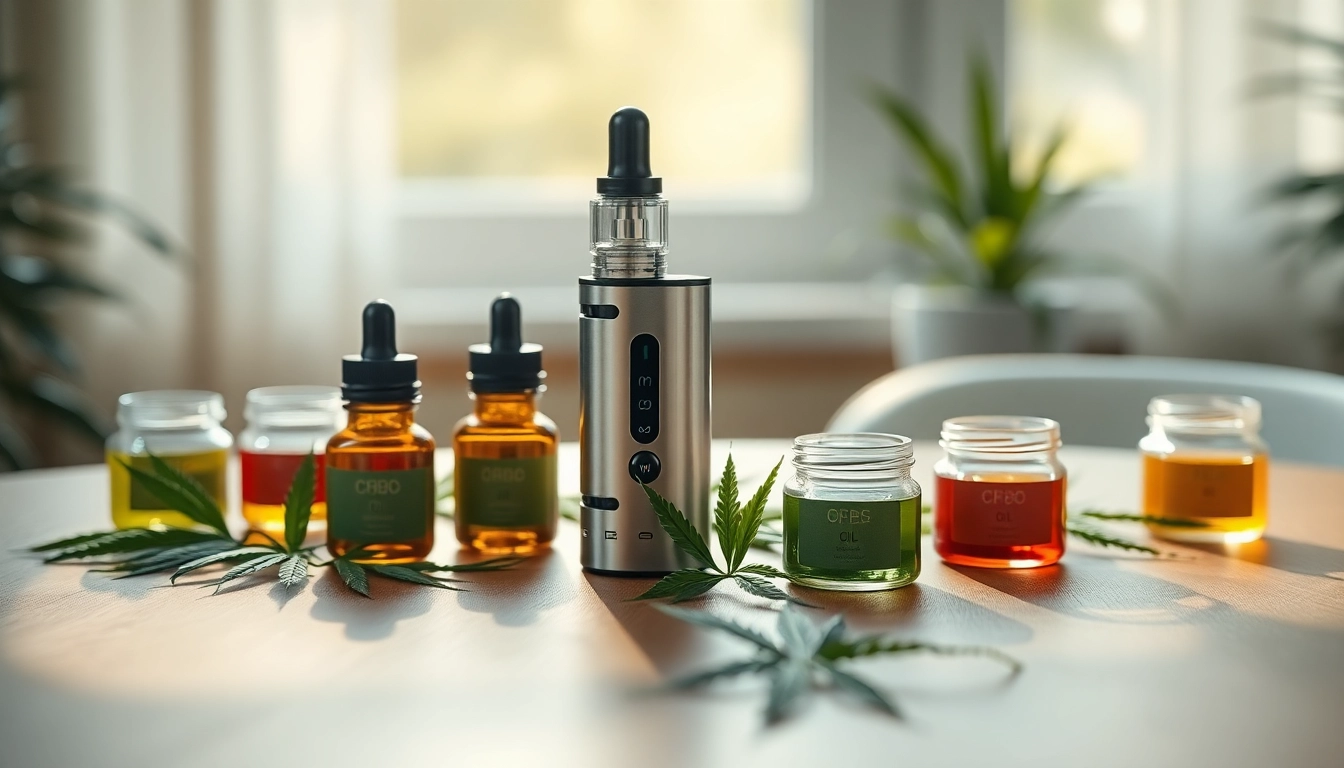
Understanding CBD Oil: What Is It?
Cannabidiol, commonly known as CBD, is a potent compound derived from the cannabis plant, primarily from hemp. Unlike its more famous counterpart, tetrahydrocannabinol (THC), CBD is non-psychoactive, meaning it does not induce a “high.” Due to its perceived benefits and therapeutic properties, CBD Oil has emerged as a popular wellness option among individuals seeking alternative solutions for health issues.
The Origins of CBD Oil
The origins of CBD oil can be traced back thousands of years, with cannabis being used for medicinal and therapeutic purposes across various cultures. As modern science evolves, researchers have isolated CBD as a key component that offers a plethora of potential benefits.
Industrial hemp, the source of CBD, is cultivated for its fiber, seeds, and oil. This plant is naturally low in THC, which is one reason it is often used when extracting CBD. The extraction methods vary, with CO2 extraction being one of the most efficient and effective, ensuring a pure end product free from harmful substances.
How CBD Oil Differs from THC
The primary distinction between CBD and THC lies in their interaction with the body’s endocannabinoid system (ECS). THC binds directly to the CB1 and CB2 receptors in the ECS, which can lead to psychoactive effects. In contrast, CBD does not bind as directly and instead works by influencing the body’s natural cannabinoid pathways, which may help regulate mood, appetite, pain perception, and more without causing intoxication.
Common Uses of CBD Oil in Daily Life
CBD oil boasts a wide array of applications in daily life. Many users report using CBD oil for stress relief, pain management, and as an adjunctive treatment for anxiety and depression. Additionally, CBD oil has been noted for its potential in promoting better sleep and reducing symptoms associated with chronic illnesses such as epilepsy and multiple sclerosis.
Moreover, as the stigma around cannabis diminishes, more individuals are incorporating CBD oil into their wellness routines, leveraging its benefits for both mental and physical health.
Health Benefits of CBD Oil You Should Know
Reducing Anxiety and Stress
A significant amount of research has focused on the potential for CBD oil to alleviate anxiety and stress. Studies suggest that CBD interacts with serotonin receptors in the brain, which play a crucial role in mood regulation. By enhancing serotonin signaling, CBD can help individuals manage everyday stressors and anxiety disorders.
Users often report feeling more relaxed and less overwhelmed after taking CBD oil, allowing them to navigate stressful situations more effectively. This benefit has prompted therapists and mental health professionals to recommend CBD oil as part of a holistic approach to mental wellness.
Potential for Pain Relief
The analgesic properties of CBD oil are another reason for its popularity. With increasing instances of chronic pain due to various conditions like arthritis or fibromyalgia, many individuals seek alternatives to opioid medications. Research indicates that CBD can modulate pain perception by interacting with endocannabinoid receptors, thereby reducing inflammation and overall pain sensation.
Patients utilizing CBD oil for pain management have reported significant improvements in their quality of life, showcasing CBD’s potential as a safe and effective natural remedy.
Supporting Better Sleep Quality
Many people struggle with sleep disorders, often turning to over-the-counter medications that may pose risks. CBD oil emerges as a promising alternative for improving sleep quality. Preliminary studies suggest that CBD can address sleep disturbances by alleviating anxiety and promoting relaxation. It may help to extend the time spent in deep sleep while reducing instances of insomnia.
Individuals incorporating CBD oil into their nightly routine have found it beneficial in achieving more restful nights, thus enhancing their overall health and productivity.
How to Choose Quality CBD Oil Products
Identifying Reliable Sources
With the surge in CBD’s popularity, the market is flooded with products of varying quality. Therefore, it is crucial to identify reliable sources. Look for products sourced from organic hemp, as this ensures the absence of harmful pesticides, herbicides, and heavy metals.
Additionally, the terms “full-spectrum” or “broad-spectrum” indicate a product containing a variety of cannabinoids and terpenes, which can enhance the effect of CBD through the entourage effect.
Understanding Labels and Ingredients
When choosing CBD oil, it’s essential to scrutinize the labels carefully. Ingredients should be transparent, specifying how much CBD is present per dose. Avoid products that do not disclose their contents or use vague terminology like “hemp extract.”
Make sure to read the cannabinoid profile, which should include information about CBD, THC, and other cannabinoids to better understand the product’s effects and legality.
Importance of Third-Party Testing
Reputable CBD oil manufacturers will conduct third-party lab tests to verify the quality and concentration of their products. These tests check for potency, contaminants, and cannabinoid profiles. Look for a certificate of analysis (COA) from an independent laboratory as proof of this testing.
By choosing products backed by third-party testing, consumers can assure themselves of the purity and efficacy of their CBD oil, minimizing the risks associated with inferior products.
Ways to Use CBD Oil Effectively
Incorporating CBD Oil into Your Routine
Integrating CBD oil into your daily regimen can be simple and effective. Start with a low dose, preferably in the morning, and gradually adjust based on your needs and response. Many users find success with sublingual methods, where drops are placed under the tongue for fast absorption, but topical applications or infusions in food and beverages are also popular.
Dosage Guidelines for CBD Oil
Determining the correct dosage of CBD oil can depend on several factors, including body weight, individual biochemistry, and the specific health issue being addressed. Though there is no one-size-fits-all prescription, a commonly suggested starting point is 5-10 mg of CBD per day, increasing by small increments until desired effects are achieved.
Always consider personal tolerance levels and consult a healthcare professional if unsure about the dosage.
Combining CBD Oil with Other Wellness Practices
CBD oil can significantly amplify the effects of other wellness practices such as meditation, yoga, and physical exercise. For instance, taking CBD oil before a workout might enhance focus and reduce performance anxiety, leading to a more effective session. Similarly, combining it with mindfulness practices may bring deeper relaxation and stress relief.
Ultimately, CBD oil should complement an already healthy lifestyle for optimal benefits.
Potential Risks and Side Effects of CBD Oil
Common Side Effects to Consider
Despite its beneficial properties, CBD oil may have side effects for some individuals. Commonly reported side effects include fatigue, diarrhea, changes in appetite, and potential interactions with other medications. While most users tolerate CBD without issue, it is prudent to monitor how your body responds.
Interactions with Medication
CBD oil can interact with certain medications, particularly those metabolized by liver enzymes. Drugs affecting liver enzymes may have altered effectiveness or increased side effects when combined with CBD. It’s crucial to inform your healthcare provider about any CBD products you’re using to prevent potential interactions.
When to Consult a Healthcare Professional
Whenever considering the addition of CBD oil to your routine, particularly if you have underlying health issues or are taking other medications, consulting with a healthcare professional is recommended. They can help assess your situation, ensuring that incorporating CBD oil is a safe and effective choice for your health goals.