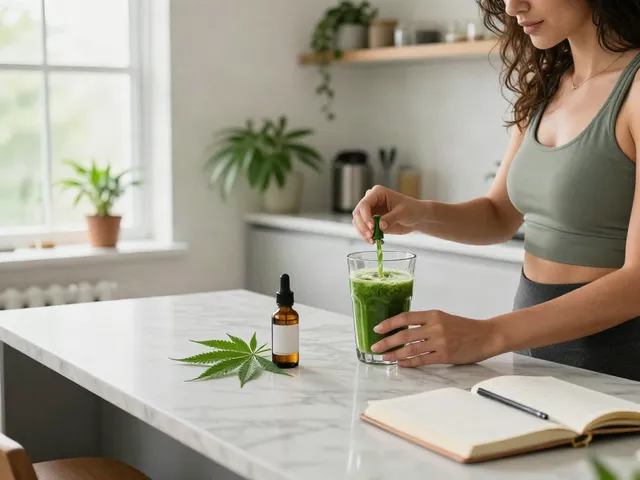
Understanding the Health Benefits of CBD
Cannabidiol (CBD) has gained attention in recent years for its numerous potential health benefits, making it a popular choice among wellness seekers. As a hemp-derived compound, CBD interacts with the body’s endocannabinoid system (ECS), which is involved in regulating various physiological processes. This article aims to explore the therapeutic applications of CBD, its benefits for conditions such as sleep disturbances, anxiety, and chronic pain, and how to incorporate it into your wellness routine effectively. When looking for options, best weed delivery service is vital for ensuring access to quality cannabis products.
What Are the Therapeutic Applications of CBD?
CBD has been studied for a variety of therapeutic applications, including:
- Anxiety and Depression: Studies suggest that CBD may help reduce anxiety by interacting with serotonin receptors, which regulate mood. Some users report feeling more relaxed and less anxious after taking CBD.
- Sleep Disorders: CBD may improve sleep quality by addressing issues like anxiety and pain. Research indicates that CBD can help some individuals fall asleep faster and promote deeper sleep stages.
- Pain Management: CBD has anti-inflammatory properties that may alleviate pain from conditions like arthritis and migraines. Its ability to modulate pain signaling in the body makes it a promising alternative to traditional pain medications.
- Neuroprotective Properties: There is emerging evidence that CBD may offer protection against neurodegenerative diseases, with some studies focusing on its potential benefits in conditions like Alzheimer’s and Parkinson’s disease.
Benefits of CBD for Sleep, Anxiety, and Pain Relief
The benefits of CBD extend beyond general wellness. Many consumers report significant improvements in sleep quality, with studies supporting the efficacy of CBD in helping people with insomnia. Additionally, CBD's calming effects can diminish anxiety symptoms, making it easier for individuals to manage daily stressors. Regarding pain relief, the interaction between CBD and the endocannabinoid system allows for effective modulation of pain perception and inflammation.
How Does CBD Interact with the Endocannabinoid System?
The ECS plays a critical role in maintaining homeostasis in the body, regulating processes like mood, sleep, appetite, and pain sensation. CBD interacts with cannabinoid receptors (CB1 and CB2) in the ECS, modulating their activity and influencing various physiological functions. This interaction can lead to a range of health benefits while supporting overall wellness.
Exploring Different Cannabis Product Types
With the increasing popularity of CBD and other cannabis products, it's essential to understand the different forms available and their respective benefits. Whether you prefer oils, edibles, or topical applications, each type offers unique advantages based on your lifestyle and wellness goals.
The Differences Between Oils, Edibles, and Topicals
Cannabis products come in various forms, including:
- Oils and Tinctures: Typically administered sublingually, CBD oils provide rapid onset of effects due to direct absorption into the bloodstream. This method yields high bioavailability and allows for easy dosage adjustments.
- Edibles: CBD-infused edibles, such as gummies and beverages, offer a discreet and convenient way to consume CBD. However, they have a delayed onset time since the compounds must be metabolized by the digestive system.
- Topicals: Creams, balms, and patches can be applied directly to the skin for localized relief. They are particularly beneficial for addressing muscle and joint pain, as they can penetrate the skin barrier to deliver CBD to the affected area.
Best Vaping Options for Natural Wellness
Vaping has emerged as a popular method for consuming CBD, offering rapid effects and easy dosing. CBD vape juices and cartridges come in various flavors and formulations, making them appealing to a wide range of users. When selecting a vaping option, consider factors such as nicotine content (if applicable), device compatibility, and preferred flavors to find the perfect match for your wellness journey.
Choosing the Right CBD Product for Your Lifestyle
With a plethora of CBD products available, selecting the right one for your needs may seem daunting. Factors to consider include:
- Your reason for using CBD (e.g., anxiety relief, sleep improvement, pain management).
- Your preferred consumption method (e.g., oil, edible, or topical).
- Your individual tolerance and desired dose.
Proper Dosage and Usage Guidelines
Finding the right CBD dosage is crucial for achieving the desired effects without experiencing unwanted side effects. Each individual’s body responds differently to CBD, so starting with a low dose and gradually increasing it is advisable.
How to Calculate Your Ideal CBD Dosage
To determine your ideal dosage, consider your weight, the condition you are addressing, and the product’s concentration. A common recommendation is to start with 1-5 mg of CBD per 10 pounds of body weight, adjusting as necessary until the desired effects are achieved.
Understanding Titration When Using CBD
Titration is a method used to find the optimal dose of CBD by gradually increasing the amount taken while monitoring effects. This process helps users determine the ideal dosage for their specific individual needs without taking excessive amounts.
Safe Usage Practices for Novice Users
For those new to CBD, it is advisable to:
- Start with a low dose and increase gradually.
- Maintain a consistent schedule for consumption to understand your body's response.
- Consult with a healthcare professional, especially if you have existing health conditions or are on medication.
Quality Indicators for CBD Products
Quality assurance is paramount when it comes to purchasing CBD products. Knowing how to identify reputable products can help ensure you are using a safe and effective solution.
What Does a Certificate of Analysis (COA) Tell You?
A Certificate of Analysis (COA) is a third-party lab report that verifies the content and purity of a CBD product. It typically includes information on cannabinoid profiles, potency, and contaminants. Always look for products with a verifiable COA to ensure quality and safety.
Importance of Third-Party Testing for Product Safety
Third-party testing is crucial for verifying the safety and effectiveness of CBD products. Independent labs analyze the products for contaminants, including pesticides, heavy metals, and solvents. Ensuring that a product has undergone rigorous testing alleviates concerns regarding quality.
Identifying Reputable Brands in the CBD Market
To find trustworthy CBD brands, look for:
- Transparency regarding sourcing and manufacturing processes.
- Positive customer reviews and experiences.
- A strong commitment to third-party testing and quality control.
Legal Considerations for CBD in 2026
As the CBD market continues to evolve, it is essential to stay informed about the legal landscape surrounding CBD and cannabis products. Understanding the regulations can help consumers navigate the marketplace more effectively.
Understanding Federal and State Regulations
As of 2026, the federal legalization of hemp-derived CBD under the 2018 Farm Bill has established a framework for the CBD market. However, various states have adopted their regulations regarding the sale and use of CBD and THC products. Staying informed about local laws is crucial to ensure compliance.
Legal Status of THC Versus CBD Products
While CBD derived from hemp (containing less than 0.3% THC) is federally legal, THC remains a controlled substance in many areas. The legal status of THC varies widely from state to state, so it’s essential to check local laws before purchasing products that contain THC.
Staying Compliant with Advertising and Health Claims
In compliance with FDA regulations, all health claims related to CBD must be substantiated by scientific evidence. The FDA has specific guidelines that prohibit the promotion of CBD products as a cure or treatment for diseases, emphasizing the importance of accurate and responsible advertising.
What Are the Potential Side Effects of CBD?
While CBD is generally considered safe, some users may experience side effects, including:
- Drowsiness
- Dry mouth
- Digestive changes
It is crucial to consult with a healthcare professional, particularly if you are taking other medications, as CBD can interact with certain drugs.
How Do CBD and THC Differ in Effects?
CBD and THC are both cannabinoids, but they have distinct effects. THC produces psychoactive effects (the "high"), while CBD is non-intoxicating and does not induce such effects. Understanding these differences is essential for choosing the appropriate product.
What Organic Sourcing Practices Should Consumers Look For?
Choosing CBD products sourced from organically grown hemp can significantly affect product quality. Look for brands that prioritize sustainable farming practices and provide information about their cultivation methods.
What Precautions Should Be Taken When Using CBD?
Before starting CBD, consider the following precautions:
- Consult a healthcare professional, especially if pregnant or nursing.
- Be aware of possible drug interactions.
- Monitor your body’s reaction to find the optimal dose.
How to Store CBD Products for Optimal Shelf Life?
To ensure the longevity of your CBD products, store them in a cool, dark place away from direct sunlight and heat. For more information, online dispensary delivery offers valuable insights. Proper storage can help maintain potency and effectiveness over time.