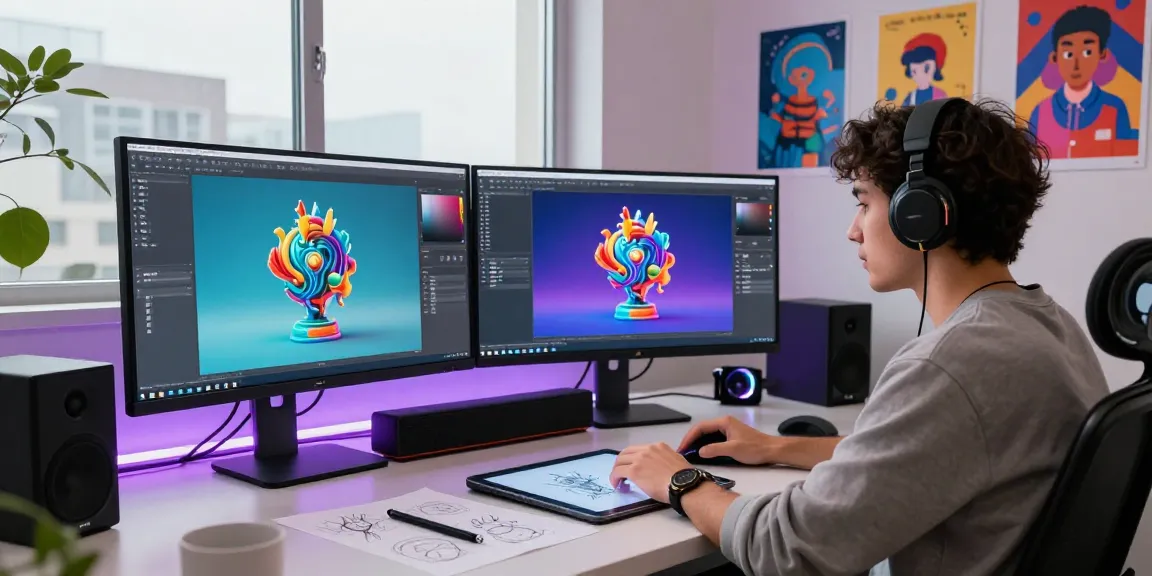
The Evolution of 3D Design: Understanding CIKA4D's Impact
The landscape of 3D design has transformed dramatically with the advent of various digital tools. Among these innovations, CIKA4D has emerged as a powerful player, influencing how creators approach digital artistry. As we delve into the evolution of this tool, we will explore its rise in digital creativity, its key features, and how it stands against other 3D modeling software. When exploring options, cika4d not only offers a robust platform for artists but also fosters a vibrant community of creators.
The Rise of CIKA4D in Digital Creativity
CIKA4D has witnessed a remarkable rise, driven by a surge in demand for 3D content across diverse industries such as gaming, architecture, and film. As companies strive to create immersive experiences, CIKA4D provides tools that empower designers to visualize their ideas with unprecedented clarity and detail.
One of the key reasons for CIKA4D's popularity is its user-friendly interface, which simplifies complex tasks that typically require extensive training. This accessibility has democratized 3D modeling, allowing novices and seasoned professionals alike to harness its power.
Key Features of CIKA4D You Should Know
CIKA4D is packed with features that cater to a wide range of creative needs. Here are some standout functionalities:
- Real-time Rendering: This feature allows users to see changes instantly, making the design process more dynamic and interactive.
- Extensive Asset Library: CIKA4D includes a vast collection of pre-built models, textures, and materials, speeding up the design process and enhancing creativity.
- Collaboration Tools: With integrated sharing capabilities, teams can collaborate effectively, whether they're in the same room or halfway around the world.
- Customizable Workflows: Users can tailor the tool's interface and functionality to suit their specific project requirements, enhancing overall efficiency.
How CIKA4D Compares to Other 3D Tools
When compared to other leading 3D modeling software such as Blender and Autodesk Maya, CIKA4D holds its ground thanks to its intuitive design and powerful capabilities. While Blender is renowned for its robust community and extensive capabilities, CIKA4D shines in its ease of use and targeted features for specific industries. Autodesk Maya is a heavyweight in animation and visual effects, but CIKA4D’s accessibility often makes it a preferred choice for quick prototyping and real-time project adjustments.
Common Misconceptions About CIKA4D
Despite its benefits, several misconceptions hinder potential users from exploring CIKA4D fully. Let's address some of these myths and clarify the realities of this design tool.
Debunking Myths About 3D Modeling Software
One prevalent myth is that all 3D modeling software is incredibly complex and only suitable for professionals. While some tools may have steep learning curves, CIKA4D is designed with beginners in mind, featuring tutorials and resources that make onboarding easier. Another common misconception is that 3D modeling is only for specific industries. In truth, CIKA4D's versatility allows for applications in various fields, from product design to educational resources.
Why Learning CIKA4D is Not as Difficult as You Think
Many aspiring designers shy away from learning 3D modeling due to fears of complexity. However, CIKA4D has structured its learning process to be approachable. With interactive tutorials, community forums, and an emphasis on hands-on practice, users can develop their skills rapidly. Furthermore, the tool’s interface is intuitive, allowing users to focus on creativity rather than technical hurdles.
Real-World Success Stories Using CIKA4D
CIKA4D has been instrumental for numerous creators across various industries. For instance, a small game development studio recently leveraged CIKA4D to prototype its latest game, significantly reducing its time to market. Similarly, architects have used CIKA4D to present design concepts to clients, enhancing communication and understanding through realistic renderings. These examples demonstrate CIKA4D’s capability to adapt and thrive in diverse scenarios.
Best Practices for Getting Started with CIKA4D
For those looking to embark on their CIKA4D journey, understanding the best practices can streamline the learning process and enhance creative output.
Essential Skills for New Users
New users should focus on honing a few essential skills before diving deep into CIKA4D:
- Basic 3D Concepts: Familiarity with fundamental 3D terms and principles will accelerate understanding.
- Design Thinking: A creative mindset paired with problem-solving skills is crucial for effective design.
- Software Navigation: Mastering the interface and features of CIKA4D will improve efficiency and confidence.
Step-by-Step Guide to Your First Project in CIKA4D
To launch your first project in CIKA4D, follow these simple steps:
- Set Up Your Workspace: Arrange your panels and tools to suit your workflow preferences.
- Select a Template: Choose one of the pre-configured templates to kickstart your design.
- Begin Modeling: Utilize the asset library and start shaping your design, focusing on one element at a time.
- Apply Textures and Materials: Experiment with textures from the library to enhance realism.
- Render Your Design: Use the real-time rendering feature to preview and refine your project.
Common Mistakes to Avoid When Using CIKA4D
Here are some pitfalls to watch out for as you begin using CIKA4D:
- Neglecting the Learning Curve: Avoid skipping tutorials; they provide invaluable insights.
- Overcomplicating Designs: Simplicity often yields the best results; start with basic shapes before moving to complex models.
- Ignoring Community Input: Engage with the CIKA4D community for feedback and inspiration; learning from peers can enhance your skills significantly.
Future Trends in Digital Art and CIKA4D
The digital art landscape is continually evolving, influenced by technological advancements and changing consumer preferences. As we look forward to 2026, several trends are poised to impact the way we approach design through CIKA4D.
Emerging Technologies Influencing 3D Design in 2026
As augmented reality (AR) and virtual reality (VR) become more mainstream, the demand for immersive 3D environments will surge. CIKA4D is likely to integrate more AR and VR functionalities, allowing designers to create experiences that are not just viewed but interacted with in real-time. Additionally, advancements in artificial intelligence could facilitate automatic rendering and optimization, further streamlining the creative process.
Predictions for CIKA4D and the Digital Art Landscape
CIKA4D is expected to expand its feature set significantly by 2026, potentially incorporating machine learning algorithms to help users predict design trends and optimize workflows. As competition in the 3D software market increases, CIKA4D will likely enhance its collaboration features, making it easier for remote teams to work together on projects. These innovations will ensure it remains a relevant and essential tool for digital artists.
Preparing for the Next Wave of Digital Art Innovations
To stay ahead in the rapidly changing digital landscape, artists should embrace a mindset of continuous learning. Keep abreast of new technologies, be ready to adapt to changes in industry standards, and actively engage with the CIKA4D community. This proactive approach will not only improve individual skills but also enhance overall creativity and innovation in digital art.
Frequently Asked Questions About CIKA4D
To further assist potential users, here are some frequently asked questions regarding CIKA4D:
What is CIKA4D and how does it work?
CIKA4D is a versatile 3D design software that allows users to create, render, and animate 3D models. Its user-friendly interface and powerful tools facilitate the design process, making it accessible to users of all skill levels.
Is CIKA4D suitable for beginners?
Absolutely! With its intuitive design and extensive tutorials, CIKA4D is an excellent choice for beginners looking to enter the world of 3D modeling.
What are the main applications of CIKA4D?
CIKA4D is widely used in various fields such as gaming, architecture, product design, and educational content creation, proving its versatility and effectiveness across industries.
How does CIKA4D enhance productivity for artists?
CIKA4D boosts productivity through its real-time rendering capabilities, extensive asset library, and customizable workflows, allowing artists to bring their visions to life more efficiently.
Where can I find resources to learn CIKA4D?
Numerous resources are available online, including tutorials on the CIKA4D website, community forums, and YouTube channels dedicated to 3D design, making it simple to find learning materials tailored to your needs.